Comparison Chart 9: Evaluating Innovate Solutions for Business Decisions
Understanding Comparison Chart 9
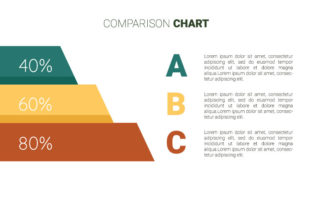
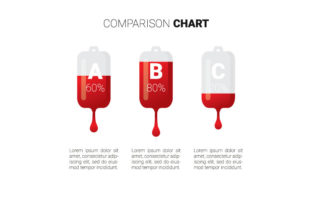
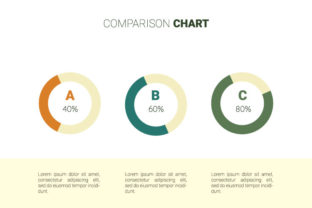
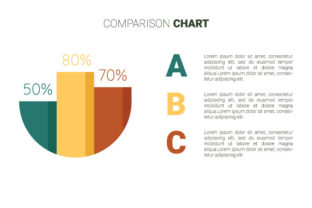
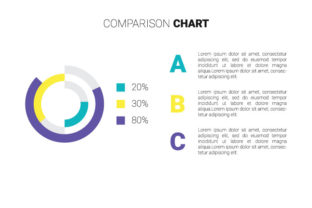
Comparison Chart 9 is a visual tool designed to help businesses evaluate and contrast various innovative solutions available in the market. This chart is part of a broader series aimed at simplifying complex decision-making processes by presenting key features, benefits, and limitations in a structured format. Built with a flat design concept, it is ideal for use in infographics, presentations, and reports where clarity and visual appeal are essential.
The main deliverables include an AI file and a JPEG file, offering flexibility for both editing and immediate use. Whether you're a business leader, marketer, or consultant, this chart can serve as a valuable reference when comparing solutions tailored to specific organizational needs.
Why Comparison Chart 9 Matters
Businesses today are inundated with a wide array of tools, platforms, and services promising to streamline operations, boost productivity, and drive growth. However, selecting the right solution requires more than just a feature list—it demands a clear, side-by-side evaluation of how each option aligns with your goals, resources, and constraints.
Comparison Chart 9 addresses this need by offering a visually intuitive and data-driven format that enables users to quickly grasp differences and similarities among various business solutions. This is especially valuable when presenting to stakeholders, preparing internal reports, or conducting market research.
Key Benefits of Using Comparison Chart 9
- Clarity in Decision-Making: The chart simplifies complex data, allowing for faster and more confident decisions.
- Customizable Design: With an editable AI file, you can tailor the chart to match your brand's visual identity or specific presentation needs.
- Professional Presentation: The high-resolution JPEG version ensures your visuals look polished in any format—digital or print.
- Time-Saving: Eliminates the need to build comparison tables from scratch, allowing you to focus on the analysis rather than the formatting.
Tradeoffs and Considerations
While Comparison Chart 9 offers significant advantages, it’s important to recognize its limitations and how they might affect your use case:
- Limited to Predefined Options: The chart includes a curated set of solutions. If your preferred tools aren't included, you may need to modify the chart or supplement it with additional research.
- Design Simplicity: The flat design approach, while modern and clean, may not suit organizations that prefer more elaborate or branded visual styles.
- Data Accuracy: Ensure that the information included in the chart is up-to-date and relevant to your industry. Some solutions may evolve quickly, requiring regular updates to the chart.
When Comparison Chart 9 Is a Strong Fit
This chart is particularly well-suited for:
- Internal Business Reviews: When evaluating software or service providers for internal adoption, the chart can help align different departments around a common understanding.
- Client Presentations: Consultants and agencies can use the chart to illustrate the value of different solutions to clients in a clear and professional manner.
- Academic or Market Research: Researchers and analysts can incorporate the chart into reports to visually represent market trends and product comparisons.
- Startup Decision-Making: Early-stage companies with limited time and resources can use the chart to make informed choices without getting overwhelmed by data.
When Alternatives May Be Better
Despite its strengths, there are situations where you might consider alternatives:
- Highly Custom Needs: If your evaluation requires a very specific set of criteria not covered in the chart, a custom-built comparison tool may be more appropriate.
- Dynamic or Real-Time Data: For scenarios where the comparison data changes frequently, interactive dashboards or live comparison tools may offer more value.
- Complex Visual Requirements: If your organization relies heavily on visual storytelling with layered design elements, a flat design chart may not provide the depth you need.
Practical Insights for Decision-Making
When deciding whether to use Comparison Chart 9, consider the following questions:
- Who is the audience? Will they benefit from a simplified visual format, or do they require more detailed technical analysis?
- How often will the chart be updated? If the data changes frequently, ensure the AI file is accessible and easy to edit.
- What is the goal of the comparison? Are you trying to inform, persuade, or document? This will influence how you present and interpret the chart.
- Do the included solutions align with your needs? If not, can you easily replace or add options within the existing structure?
Final Thoughts
Comparison Chart 9 offers a streamlined, visually appealing way to evaluate innovative business solutions. Its flat design makes it versatile for a variety of professional uses, from internal strategy meetings to client-facing presentations. However, like any tool, its effectiveness depends on how well it aligns with your specific goals, audience, and context.
If your team values clarity, efficiency, and professional presentation, this chart can be a powerful asset. But if your needs are highly specialized or require dynamic, real-time data, exploring alternative formats may be more beneficial.
In the end, the goal of any comparison tool is not just to present information, but to support better, more informed decisions. Comparison Chart 9 is a step in that direction—providing a clear visual framework that helps businesses navigate an increasingly complex technology landscape.