Understanding Comparison Chart 2: A Practical Tool for Business Decision-Making
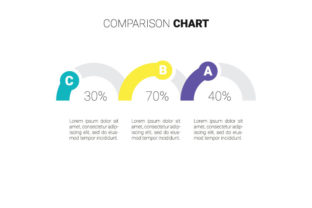
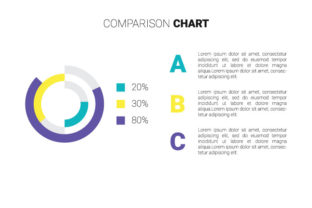
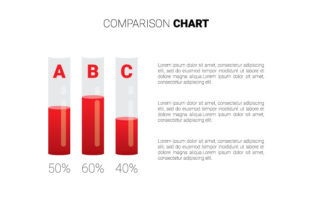
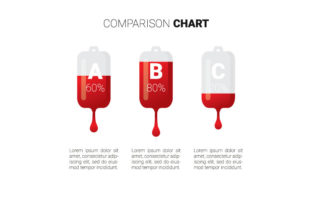
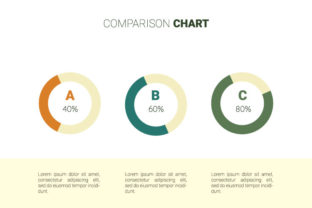
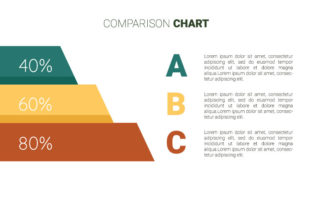
Comparison Chart 2 is a streamlined visual resource designed to help professionals evaluate and contrast business solutions with clarity and precision. Unlike generic comparison tools, this chart adopts a flat design concept, making it especially suitable for digital presentations, infographics, and internal reports where visual simplicity and readability are key. The main deliverables—available in both AI and JPEG formats—allow for flexibility in editing and deployment, whether for print or digital use.
How Comparison Chart 2 Stands Out
What sets Comparison Chart 2 apart is its clean, uncluttered layout that prioritizes user comprehension without sacrificing detail. The flat design style eliminates unnecessary shadows, gradients, and textures, focusing instead on clear typography, color-coded sections, and consistent iconography. This makes it ideal for audiences who need to absorb complex data quickly and accurately.
Compared to more ornate or layered comparison tools, this chart offers a more digestible format that supports fast decision-making. It's especially effective in environments where visual consistency across slides or reports is essential, such as boardroom presentations or marketing collateral.
Comparing Comparison Chart 2 to Similar Tools
When evaluating tools like Comparison Chart 2, it's important to consider both visual style and functional depth. Many comparison resources fall into two broad categories: feature-heavy spreadsheets and minimalist visual templates. Spreadsheets offer extensive data capture but often overwhelm users with information density. On the other hand, minimalist designs can be easy on the eyes but may lack the nuance needed for in-depth analysis.
Comparison Chart 2 strikes a middle ground. It maintains a visual simplicity that aids quick scanning while still offering enough structure to highlight key differences across multiple criteria. For example, when comparing project management software options, the chart can clearly display features like task automation, integrations, and pricing tiers in a single view—without overwhelming the reader.
Strengths of Comparison Chart 2
- Visual clarity: The flat design ensures that the chart remains easy to read across different screen sizes and formats.
- Edit-friendly format: The inclusion of an AI file allows designers to customize layouts without losing quality.
- Adaptable use: Whether for internal meetings or client-facing presentations, the chart integrates smoothly into various communication channels.
Tradeoffs and Limitations
While Comparison Chart 2 excels in visual clarity, it may not be the best fit for highly technical or data-intensive comparisons. For instance, when evaluating cloud hosting platforms with dozens of technical specifications, a more detailed matrix or interactive tool might be necessary to convey all relevant information.
Additionally, the flat design, while visually appealing, may not engage audiences who respond better to more dynamic or animated visuals. Users looking for interactive features like clickable filters or embedded links may find this format too static for their needs.
Best-Use Scenarios for Comparison Chart 2
This chart is particularly effective in situations where the goal is to summarize and compare core features rather than dive into technical minutiae. It works well in:
- Sales presentations: Helping potential clients quickly grasp the value propositions of different service tiers.
- Internal training materials: Illustrating the differences between software tools or workflows.
- Marketing collateral: Presenting product comparisons in a visually engaging but not overwhelming way.
For example, a marketing team comparing email automation platforms could use Comparison Chart 2 to highlight differences in user interface, template availability, and customer support—key factors that influence purchasing decisions without requiring deep technical analysis.
When to Consider Alternatives
If your comparison requires real-time data updates, interactive filtering, or integration with live databases, you may need to explore more advanced tools. Web-based comparison platforms or custom-built dashboards offer greater flexibility for dynamic environments. Similarly, if your audience prefers multi-dimensional analysis (such as cost vs. performance vs. scalability), a radar chart or decision matrix might provide a more comprehensive overview.
For users who need to present findings to a non-technical audience, the flat design of Comparison Chart 2 is a benefit. However, for technical teams evaluating complex systems, a more detailed and layered format may be necessary to ensure all critical factors are covered.
Choosing the Right Format for Your Needs
Selecting the appropriate comparison format depends on several factors, including your audience, the complexity of the data, and the intended use. Here are a few decision points to consider:
- Audience familiarity: Will the viewers be familiar with technical jargon, or is a simplified layout more appropriate?
- Content scope: Are you comparing a few key features or dozens of detailed specifications?
- Delivery medium: Will the comparison be printed, shared digitally, or used in a live presentation?
- Customization needs: Do you require the ability to edit colors, fonts, and layout elements to match your brand?
For teams that value brand consistency and need to maintain a professional look across materials, the AI file included with Comparison Chart 2 offers a clear advantage. JPEG files are useful for quick sharing and embedding in documents, but lack the flexibility for in-depth customization.
Final Thoughts
Comparison Chart 2 is a well-balanced tool for professionals who need to communicate differences clearly and concisely. Its flat design enhances readability, and the availability of both AI and JPEG formats ensures that it can be used across a range of applications. While it may not be the best fit for every scenario—especially those requiring deep technical analysis or interactive features—it remains a strong option for visual comparisons in business contexts.
Ultimately, the choice of comparison tool should align with your specific goals, audience needs, and content complexity. By understanding the strengths and limitations of Comparison Chart 2, you can make a more informed decision about when and how to use it effectively.