Comparison Chart: A Designer’s Guide to Flat Design Typography
What Makes Comparison Chart Stand Out in Flat Design?
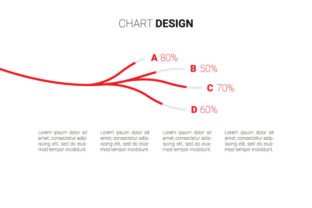
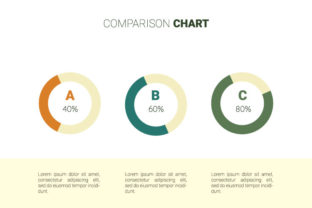
The Comparison Chart is more than a visual tool—it’s a design asset that brings clarity, structure, and style to any project. With its clean lines, minimal ornamentation, and intuitive layout, this flat design concept is ideal for infographics, editorial spreads, and branding materials. Its visual personality leans toward modern minimalism, making it especially appealing to designers who value simplicity without sacrificing impact.
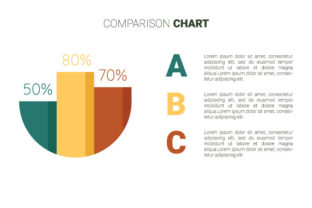
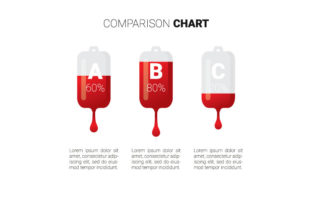
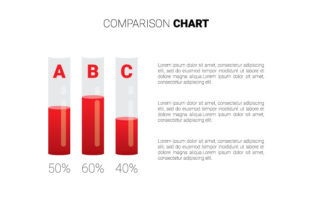
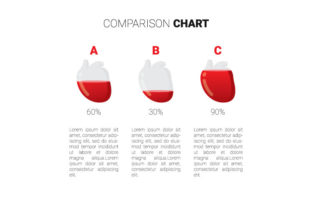
Visually, the chart uses soft geometric shapes, uniform strokes, and a balanced color palette that enhances readability while maintaining a contemporary aesthetic. It avoids the clutter of traditional comparison tables, opting instead for a streamlined look that aligns well with current design trends. Whether you're presenting product features, pricing tiers, or feature comparisons, this chart format helps your audience absorb information quickly and effortlessly.
Where Comparison Chart Excels Across Design Disciplines
Designers, marketers, and content creators can use the Comparison Chart in a wide variety of contexts. Its flat design style makes it versatile enough for both digital and print applications. Here are some of the most effective use cases:
- Web design: Perfect for feature comparisons on landing pages, pricing tables, and SaaS websites.
- Social media graphics: Ideal for quick, visual storytelling—especially when highlighting differences or benefits.
- Editorial design: Great for infographics in magazines, reports, and whitepapers where clarity is key.
- Brand presentations: Use it in pitch decks or brand guidelines to compare services, offerings, or design systems.
- Packaging design: Can be adapted for product comparison charts on packaging or promotional inserts.
Because of its structured layout and neutral aesthetic, the Comparison Chart works well in both professional and casual environments. Whether you're designing for a corporate client or a personal blog post, this chart style adapts easily to your brand's visual tone.
How Flat Design Charts Influence Audience Engagement
Visual clarity plays a major role in how audiences perceive and interact with your content. The Comparison Chart enhances readability by reducing visual noise and focusing attention on the most important data points. This helps users make faster, more informed decisions—whether they're choosing between products or comparing features.
From a brand perception standpoint, using a well-designed chart like this can elevate your project's professionalism. It signals that your brand values organization, transparency, and thoughtful design. Consistency in layout and presentation also contributes to stronger brand recognition, especially when reused across multiple platforms or campaigns.
When used in digital contexts, the chart's flat design aesthetic supports responsive layouts and loads quickly, improving user experience on mobile and desktop alike. In print, its clean lines and scalable vector format (especially in AI and JPEG versions) ensures sharp, high-quality reproduction across different media types.
Choosing the Right Font Pairings for Comparison Chart Designs
Typography plays a crucial role in how your Comparison Chart is received. Since the chart itself is minimalist, the fonts you pair with it should complement that simplicity without overwhelming it. Here are a few practical tips:
- Match the tone: If your chart has a modern, tech-inspired look, pair it with a sleek sans serif like Helvetica or Avenir. For a more approachable feel, try a clean, rounded typeface.
- Balance contrast: Use a bold sans serif for headings and a lighter weight for body text to create visual hierarchy without clutter.
- Avoid overly decorative fonts: Script or handwritten fonts can clash with the chart's flat aesthetic unless used very sparingly for accents or branding elements.
- Test for readability: Always preview your font choices at different sizes, especially if the chart will be viewed on mobile devices or printed at small scale.
Consider using a typeface that includes multiple weights and styles to maintain consistency across your design. Premium fonts like Montserrat, Open Sans, or Lato are excellent choices for their versatility and clean readability. If you're working on a logo or editorial piece, a modern serif like Charter or Georgia can add a touch of sophistication without breaking the overall design flow.
Practical Tips for Using Comparison Chart in Commercial Projects
When working with the Comparison Chart in commercial settings, it's important to consider licensing, scalability, and adaptability. Since the main files include both AI and JPEG formats, you have flexibility in how you use the chart across different platforms.
- Commercial use: Make sure you have the appropriate license for the chart, especially if you're using it in client work or for resale. Many flat design assets come with commercial licenses, but it's always wise to double-check.
- Customization: The AI file allows for easy editing, so you can tweak colors, spacing, and layout to match your brand guidelines. The JPEG version is ideal for quick placement in presentations or social media posts.
- Testing variations: Create multiple versions of your chart to see which layout, color scheme, or font pairing works best for your audience. A/B testing is especially useful in digital marketing and email campaigns.
- Accessibility: Ensure your chart is accessible by using high-contrast colors and readable fonts. Avoid relying solely on color to differentiate data points—add labels or patterns for clarity.
Whether you're designing a product comparison for a client or creating a branded infographic for your blog, the Comparison Chart gives you a strong foundation to build upon. Its flexibility and clean design make it a go-to resource for designers who want to communicate complex information in a visually engaging way.
Final Thoughts: Why Comparison Chart Belongs in Your Design Toolkit
The Comparison Chart isn’t just another flat design template—it's a practical solution for organizing and presenting data with style. Whether you're a designer, marketer, or small business owner, this chart format can help you communicate more effectively and professionally.
Its minimalist aesthetic, combined with strong typographic support, makes it a versatile tool across a wide range of creative and commercial applications. By choosing the right fonts, testing your layout, and considering accessibility, you can ensure your chart not only looks great but also serves its intended purpose: helping your audience make informed decisions with ease.