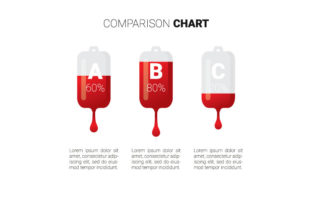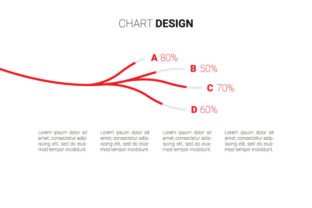
Comparison_Chart13: A Flat Design Tool for Visual Clarity
Understanding Comparison_Chart13 and Its Visual Impact
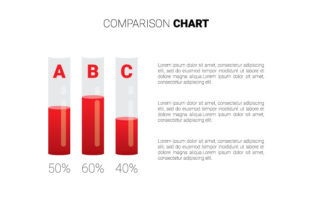
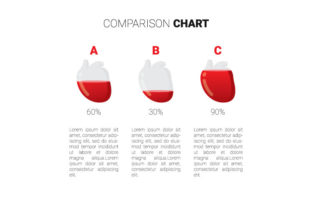
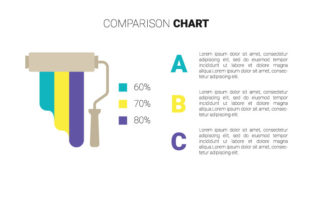
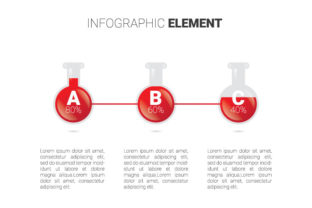
Comparison_Chart13 is a modern flat design concept crafted for creators who need to present data with clarity and style. Whether you're a marketer, educator, or small business owner, this comparison chart offers a clean, minimalist framework that works across presentations, infographics, and digital content. Built in an AI file format with a JPEG version available, it provides flexibility without sacrificing quality.
What makes Comparison_Chart13 stand out is its balance of simplicity and functionality. It avoids clutter while still allowing for detailed comparisons. This makes it especially useful when you need to convey differences or similarities between products, services, or strategies in a visually digestible format.
Creative Uses for Comparison_Chart13 Across Industries
The versatility of Comparison_Chart13 opens the door to countless creative applications. Designers can integrate it into slide decks to compare features of competing products. Bloggers can use it to visually break down the pros and cons of tools or platforms. Entrepreneurs might find it helpful in pitch decks when contrasting their offering against industry standards.
- Use it in educational materials to compare historical events or scientific data
- Customize it for SaaS landing pages to highlight feature tiers
- Adapt it for print or digital reports to summarize research findings
- Incorporate it into email marketing to illustrate value propositions
Each use case benefits from the chart’s flat design, which ensures readability and a modern aesthetic. It's especially effective when paired with a brand’s color scheme or when used to support a minimalist layout.
How to Customize Comparison_Chart13 for Different Audiences
One of the key strengths of this design is its adaptability. Whether you're speaking to a technical audience or a general consumer base, you can tailor Comparison_Chart13 to match the tone and depth of your message.
- For professionals: Use data-heavy columns with icons and brief annotations
- For casual viewers: Simplify language and emphasize visual cues like color-coded bars or checkmarks
- For mobile users: Optimize for vertical layout and ensure text remains legible on smaller screens
- For print: Adjust line weights and spacing for clarity when scaled
Designers can also layer in subtle textures or gradients if the flat style feels too stark for a particular brand. The AI file format allows for easy customization, so you’re not locked into a single visual approach.
Maximizing Clarity and Consistency in Your Design
While Comparison_Chart13 provides a strong foundation, how you use it determines its effectiveness. To maintain clarity:
- Limit the number of comparison categories to avoid overwhelming the viewer
- Use consistent fonts and spacing throughout the chart
- Align visual elements to reinforce readability
- Choose contrasting colors for key differentiators
Consistency is especially important when using the chart across multiple platforms or documents. Establish a visual style guide that outlines how the chart should be adapted for different formats, ensuring your audience always sees a cohesive message.
From Infographics to Social Media: Adapting for Different Formats
Comparison_Chart13 isn't limited to formal reports or presentations. It can be repurposed creatively for social media posts, blog graphics, and even explainer videos. For example:
- Create a side-by-side comparison for Instagram carousels
- Break down the chart into animated segments for YouTube explainers
- Use it as a featured image in a blog post comparing tools or services
- Turn it into a downloadable PDF guide for email subscribers
Each adaptation should consider the platform’s visual constraints and the audience’s expectations. On social media, brevity and visual impact are key. In a whitepaper or case study, detail and accuracy take precedence.
Encouraging Creativity Without Losing Focus
Flat design can sometimes feel too minimal for creative projects. However, Comparison_Chart13 invites customization that supports both clarity and expression. Consider experimenting with:
- Unique icon styles to represent categories
- Custom shapes or borders that align with your brand
- Layered charts that build on each other for deeper insights
- Interactive versions for web use with hover effects or tooltips
These creative touches can help your comparison stand out while maintaining the chart’s original purpose: to make complex information easy to digest.
Final Thoughts: Making Comparison_Chart13 Work for You
Whether you're a designer, marketer, educator, or entrepreneur, Comparison_Chart13 offers a flexible, visually appealing way to present data. Its flat design keeps your content modern and accessible, while its AI and JPEG formats ensure it works across both print and digital environments.
By understanding your audience and tailoring the chart to your specific needs, you can turn a simple comparison into a powerful storytelling tool. With thoughtful customization and a clear purpose, Comparison_Chart13 becomes more than a chart—it becomes a strategic visual asset.