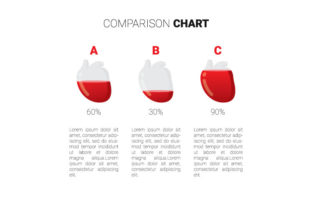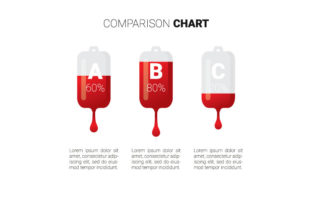
Comparison Chart Design for Modern Visual Communication
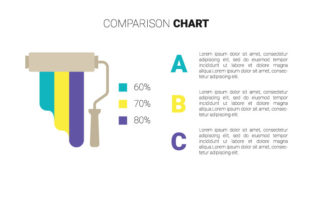
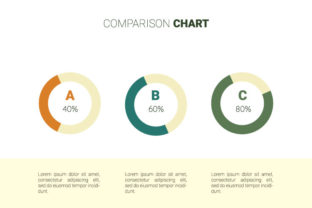
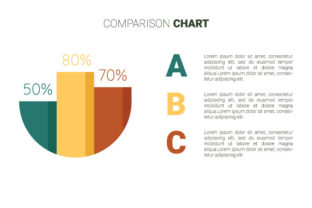
In today’s fast-paced digital landscape, clear and compelling visual storytelling is essential—especially when comparing features, benefits, or data points. Comparison_Chart14 offers a clean, modern solution for designers aiming to simplify complex information without sacrificing aesthetic appeal. This flat design concept is crafted for seamless integration into infographics, presentations, and a variety of visual communication tools, making it an indispensable asset for professionals across industries.
Why Flat Design Matters in Comparison Charts
Flat design has become a cornerstone of modern visual design due to its clarity, minimalism, and adaptability. When applied to comparison charts like Comparison_Chart14, this style removes unnecessary effects like drop shadows and gradients, allowing the content to take center stage. The result is a streamlined visual that supports better readability and faster comprehension—key factors in branding, editorial design, and user experience (UX) design.
Applications Across Creative and Business Contexts
Whether you're crafting a brand identity presentation or designing a product comparison for a website, Comparison_Chart14 adapts easily to multiple formats. Here are some practical applications where this design concept shines:
- Branding and logo design: Use the chart as part of brand guidelines to compare visual elements like color palette, typography, and tone of voice.
- Marketing materials: Highlight product features side-by-side in brochures, emails, or landing pages.
- Social media graphics: Create visually engaging posts that compare services, pricing tiers, or feature sets.
- Web and UI design: Integrate into dashboards or product pages to enhance user engagement through visual hierarchy.
- Packaging design: Use as a reference for comparative labeling or eco-friendly certifications.
Design Tips for Maximum Impact
To ensure your comparison chart delivers both visual appeal and functional clarity, consider the following best practices:
- Maintain consistency: Ensure alignment, spacing, and visual elements remain uniform throughout the chart.
- Prioritize readability: Choose legible fonts and sufficient contrast between text and background.
- Use color strategically: Leverage your brand’s color palette to guide the viewer’s eye and emphasize key points.
- Keep it scalable: Design with flexibility in mind so the chart works across print, web, and mobile formats.
Enhancing Brand Identity Through Visual Design
When integrated thoughtfully into a broader visual system, a well-designed comparison chart can reinforce brand identity and professionalism. Comparison_Chart14 supports this by offering a clean, modern aesthetic that aligns with current design trends. Whether used in a pitch deck or a digital marketing campaign, it contributes to a cohesive brand experience that resonates with audiences and strengthens communication.
Designers and business owners alike will find that investing in high-quality creative assets like Comparison_Chart14 pays dividends in clarity, engagement, and overall design quality. As part of a broader design workflow, it enables smarter visual decisions—helping transform complex data into digestible, visually appealing content that supports strategic goals across branding, web design, and beyond.