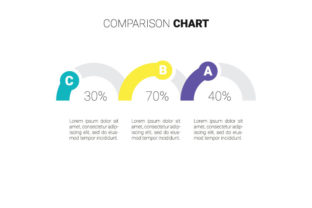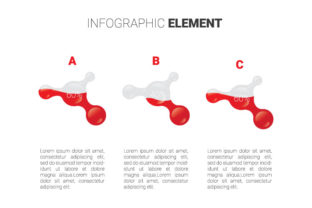
Infographic Element 2: Understanding Its Role in Modern Visual Communication
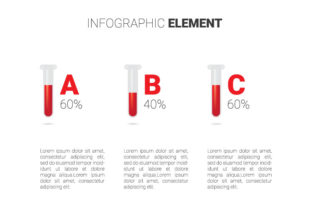
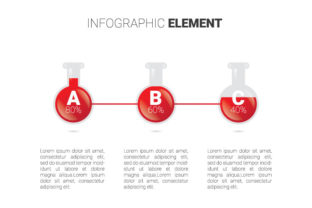
Infographic Element 2 is a specific design component within a broader flat design concept, often used to enhance clarity, engagement, and visual structure in presentations, reports, and digital content. Unlike general-purpose graphic elements, Infographic Element 2 is crafted with a deliberate balance of simplicity and functionality, making it particularly effective for audiences who need to absorb complex information quickly. Its design typically features clean lines, minimal shadows or gradients, and a focus on intuitive visual hierarchy—qualities that align well with modern design trends and user expectations.
What Sets Infographic Element 2 Apart?
At its core, Infographic Element 2 stands out due to its adaptability and streamlined aesthetic. It is part of a flat design framework, which means it avoids skeuomorphic details in favor of two-dimensional visuals and bold color contrasts. This makes it especially useful for digital environments where clarity and fast loading times are important. Unlike more ornate design elements that may distract or overwhelm, Infographic Element 2 supports a clean, distraction-free layout that enhances readability and user engagement.
One of its defining features is its compatibility with both AI and JPEG formats. This dual-format availability gives users flexibility depending on their needs. The AI file allows for full customization in vector-based editing software, which is ideal for designers who need scalability and precise control. The JPEG version, on the other hand, offers immediate usability for those who need to embed visuals directly into web pages, presentations, or printed materials without requiring design software.
Comparing Infographic Element 2 with Similar Options
When evaluating Infographic Element 2 against other visual design components, it's important to consider the broader landscape of infographic tools and design assets. There are numerous alternatives, from highly detailed vector illustrations to minimalist icon sets and dynamic data visualization tools. Each has its own strengths and ideal use cases.
For instance, some infographic elements are designed for animation or interactivity, making them better suited for web-based dashboards or educational platforms. Others are more static and focused on print or slide-based presentations. Infographic Element 2 falls into the latter category, offering a balance between visual appeal and practicality without requiring advanced technical skills or software.
- Vector Illustrations: These are scalable and editable but often require Adobe Illustrator or similar tools. Infographic Element 2 offers a similar level of quality but with a more approachable format for non-designers.
- Icon Sets: While icons are great for quick visual cues, they often lack the contextual depth that Infographic Element 2 provides through its structured layout and visual storytelling capabilities.
- Data Visualization Tools: Platforms like Tableau or Canva offer dynamic charting features, but they may not integrate as seamlessly into static presentations or printed reports as Infographic Element 2 does.
Strengths and Tradeoffs of Infographic Element 2
One of the primary strengths of Infographic Element 2 is its ease of use. Because it's built within a flat design framework, it integrates well with modern design systems and doesn't require extensive customization to fit into a cohesive visual theme. Its JPEG format ensures compatibility across a wide range of platforms, including Microsoft PowerPoint, Google Slides, and content management systems like WordPress or Squarespace.
However, like any design asset, it comes with tradeoffs. While the JPEG format is convenient, it lacks the scalability of vector-based files. Users who need to resize the element significantly for print or large-format displays may find that the JPEG version loses clarity. In such cases, having access to the AI file becomes essential. Additionally, because Infographic Element 2 follows a flat design style, it may not be the best fit for projects that require a more textured or three-dimensional aesthetic.
When to Choose Infographic Element 2
Infographic Element 2 is an excellent choice for professionals, educators, and content creators who need to convey structured information in a visually appealing yet straightforward manner. It works particularly well in the following scenarios:
- Presentation Design: Whether you're creating a business pitch, academic lecture, or internal report, Infographic Element 2 helps break down complex data into digestible visuals.
- Web Content: Bloggers, marketers, and SEO professionals can use this element to enhance articles or landing pages with engaging visuals that improve user experience and time-on-page metrics.
- Print Materials: From brochures to infographics in printed reports, this element maintains visual consistency and clarity across formats.
If your project requires a high degree of customization or dynamic interactivity, you may want to explore other tools or design assets. However, for most standard use cases—especially those focused on clarity, speed of implementation, and visual coherence—Infographic Element 2 is a strong contender.
Decision Factors to Consider
When deciding whether Infographic Element 2 is the right fit for your project, consider the following factors:
- Intended Use: Will the element be used in digital or print formats? If primarily digital, JPEG compatibility is likely sufficient. For print or high-resolution needs, access to the AI file is crucial.
- Design Skill Level: Users without access to professional design tools may find the JPEG format more accessible, while designers may prefer the flexibility of the AI file.
- Visual Style: If your brand or project leans toward a minimalist or modern aesthetic, Infographic Element 2 aligns well. For more traditional or textured styles, alternative elements may be more appropriate.
- Time Constraints: Infographic Element 2 reduces the need for extensive customization, making it ideal for users who need to create visuals quickly without sacrificing quality.
Realistic Examples and Practical Comparisons
Imagine a marketing team preparing a quarterly performance report. They need to present data on website traffic, conversion rates, and customer engagement. Using Infographic Element 2, they can visually represent this data in a way that's both professional and easy to understand. Compared to using a generic chart from Excel or a basic PowerPoint template, Infographic Element 2 offers a more polished and engaging visual style without requiring additional design time.
In another example, a small business owner creating a website landing page may choose Infographic Element 2 to explain a product's features. Compared to using a static image or text-heavy description, this element allows for a more dynamic and visually appealing layout that can improve visitor engagement and reduce bounce rates.
Final Thoughts
Infographic Element 2 is a versatile and user-friendly design component that bridges the gap between professional-grade visuals and accessible implementation. Its flat design approach, combined with the flexibility of AI and JPEG formats, makes it a practical choice for a wide range of applications. Whether you're a designer looking for a ready-to-use visual element or a non-designer needing to enhance your content, Infographic Element 2 offers a compelling balance of quality, usability, and adaptability.
Ultimately, the decision to use Infographic Element 2 depends on your specific needs, technical capabilities, and design preferences. By understanding its strengths and limitations, you can make a more informed choice that supports your communication goals without unnecessary complexity or cost.