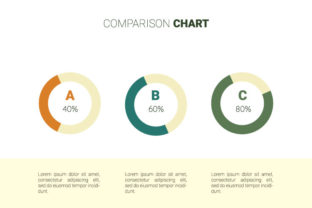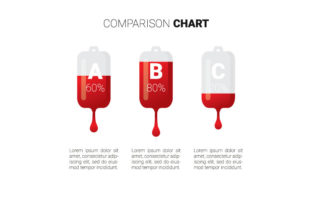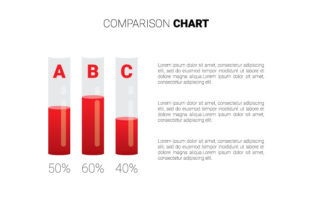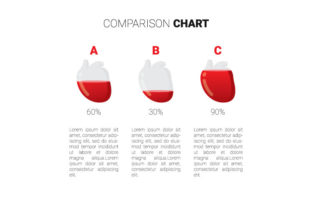
Comparison Chart 4: Creative Uses for Flat Design Charts
Understanding Comparison Chart 4
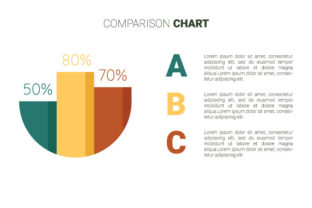
Comparison Chart 4 is a versatile flat design template crafted for visual comparisons. Whether you're contrasting products, services, or concepts, this chart offers a clean, modern layout that enhances clarity and engagement. Designed with flexibility in mind, it's ideal for infographics, presentations, and digital content where visual communication is key.
What makes this chart stand out is its minimalist aesthetic combined with functional structure. It uses color-coded sections, clear typography, and scalable elements that work seamlessly across formats. The main file comes in AI and JPEG formats, making it compatible with a wide range of design tools and platforms.
Creative Possibilities with Flat Design Charts
Flat design isn’t just a trend—it’s a design philosophy that emphasizes simplicity and usability. When applied to comparison charts, it helps eliminate visual clutter while maintaining the information hierarchy. Here are a few creative directions to explore:
- Brand Comparison: Use the chart to compare your product against competitors in a sales deck or marketing report.
- Feature Breakdown: Highlight differences between service tiers or software versions for SaaS companies.
- Educational Tools: Teachers and trainers can visually explain differences between historical events, scientific concepts, or literary themes.
- Personal Projects: Bloggers and YouTubers can compare tools, gear, or resources for their audience.
Adapting for Different Users and Goals
The beauty of Comparison Chart 4 lies in its adaptability. Let’s explore how different professionals can use it effectively:
For Designers and Creatives
Use the AI file to customize colors, fonts, and icons to match your brand identity. You can export sections for use in mobile apps, landing pages, or digital reports. Consider integrating micro-interactions if designing for web or interactive PDFs.
For Marketers and Entrepreneurs
Present data clearly in pitch decks or client proposals. Use the chart to highlight your value proposition versus competitors. The JPEG format works well for social media posts or email newsletters when simplified for quick scanning.
For Educators and Trainers
Break down complex ideas into digestible comparisons. For example, compare renewable energy sources or historical political systems. The chart’s clarity helps students retain information better than long text descriptions.
For Freelancers and Bloggers
Create content upgrades—like downloadable comparison guides—to offer readers added value. These can serve as lead magnets or bonus content for your audience.
Practical Applications Across Platforms
Here’s how to make the most of Comparison Chart 4 on different platforms:
- Website Landing Pages: Embed a simplified version of the chart to quickly communicate product differences.
- Print Materials: Resize the JPEG for use in brochures, flyers, or posters without losing quality.
- Presentations: Drop the chart into slides to support your message with visual data.
- Social Media: Crop sections of the chart into smaller, digestible graphics for platforms like Instagram or LinkedIn.
- Email Campaigns: Use as a visual summary in product update emails or customer comparison guides.
Styling and Customization Tips
To keep your comparison chart both visually appealing and effective, consider the following:
- Stick to a Consistent Color Scheme: Use brand colors or complementary palettes to maintain visual harmony.
- Use Clear Typography: Choose fonts that are easy to read at a glance. Sans-serif fonts often work best for digital use.
- Balance White Space: Don’t overcrowd the chart. Allow enough space between sections for clarity.
- Highlight Key Differences: Use bold or contrasting colors to draw attention to standout features or benefits.
- Keep Labels Concise: Avoid long paragraphs. Use bullet points or short phrases for readability.
Real-World Examples and Inspiration
Here are a few real-world ways people have used similar comparison charts:
- Travel Bloggers: Compare travel insurance providers, credit cards with travel benefits, or budget vs luxury destinations.
- Health & Wellness Coaches: Break down different diet plans, fitness programs, or supplement brands.
- Product Review Sites: Compare smartphones, laptops, or home appliances across price, features, and performance.
- Nonprofits: Show the impact of different donation tiers or compare the effectiveness of various outreach strategies.
How to Keep Your Charts Clear and Impactful
While creativity is important, clarity should never be compromised. Here are a few tips to ensure your chart communicates effectively:
- Limit the Number of Comparisons: Too many categories can overwhelm the viewer. Aim for 3–5 items for optimal readability.
- Use Visual Consistency: Maintain uniformity in icons, spacing, and alignment to enhance professionalism.
- Test for Accessibility: Ensure your color choices are readable for colorblind audiences. Tools like WebAIM can help test contrast ratios.
- Include a Legend or Key: If using symbols or color codes, include a clear reference point.
- Keep It Scalable: Make sure the chart looks good on both desktop and mobile screens by testing responsive layouts.
Final Thoughts: Making the Most of Comparison Chart 4
Comparison Chart 4 is more than a visual tool—it’s a storytelling device that helps you communicate differences clearly and persuasively. Whether you're a designer looking to streamline your workflow, a marketer aiming to highlight value, or an educator simplifying complex ideas, this chart gives you the structure you need with the creative freedom you want.
By adapting it thoughtfully to your audience and purpose, you can turn data into insight, confusion into clarity, and ideas into impact. Let the flat design concept work for you—clean, modern, and ready to inspire.