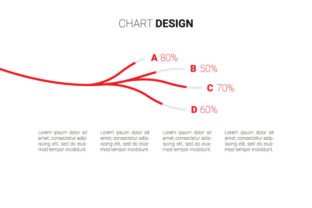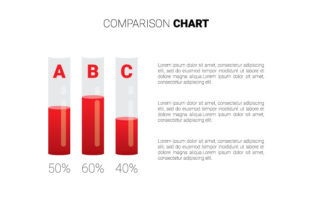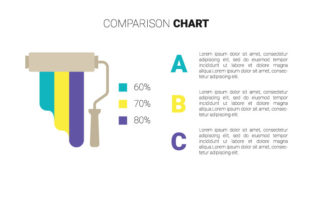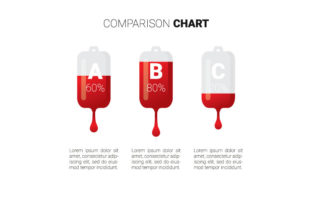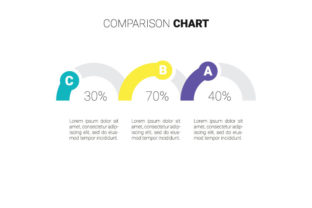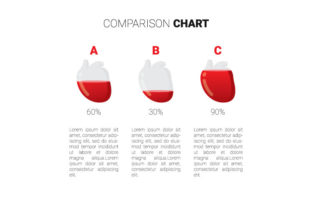
Comparison_Chart16: A Flat Design Tool for Clear Visual Comparisons
When it comes to presenting data, options, or features in a clear and visually engaging way, the Comparison_Chart16 stands out as a practical and versatile resource. Designed with a clean flat aesthetic, this comparison chart is ideal for professionals, creators, and business owners who need to communicate differences and similarities between products, services, or strategies. Whether you're preparing a presentation, designing an infographic, or planning a marketing asset, Comparison_Chart16 helps simplify complex information into digestible visual blocks.
At its core, Comparison_Chart16 is more than just a visual template — it's a structured framework that supports decision-making, planning, and communication. The flat design concept ensures minimal visual distraction while maintaining clarity and readability. The main file comes in both AI and JPEG formats, allowing for flexibility in editing and deployment across different platforms and workflows.
How Comparison_Chart16 Fits Into Real Workflows
One of the most powerful aspects of Comparison_Chart16 is its adaptability across various stages of a project or decision-making process. Before launching a new product, for instance, marketers can use the chart to compare competitor offerings and identify unique selling points. During a project, team leads can outline feature sets or tool comparisons to guide development or integration decisions. After a campaign or launch, the same chart can be used to evaluate performance metrics or user feedback across different platforms or versions.
For educators and trainers, Comparison_Chart16 offers a straightforward way to illustrate differences between concepts, methodologies, or tools. Bloggers and content creators can integrate the chart into articles or reports to enhance reader comprehension. Small business owners can use it to compare software solutions, pricing models, or vendor options before making a purchase decision. The visual clarity of the chart makes it a valuable asset across industries and use cases.
Integration with Other Tools and Platforms
The Comparison_Chart16 works seamlessly with a variety of digital tools and design platforms. Because it's delivered as an AI file, it's fully editable in Adobe Illustrator, allowing for customization of colors, fonts, and layout to match brand guidelines or presentation themes. The included JPEG version ensures that even users without design software can incorporate the chart into slideshows, reports, or web content without losing quality.
For those working in collaborative environments, the chart can be exported and shared across project management tools, shared drives, or cloud-based platforms like Google Slides, Canva, or PowerPoint. When used in conjunction with data visualization tools like Tableau or Excel, Comparison_Chart16 can serve as a final visual layer that translates complex datasets into easy-to-understand side-by-side comparisons.
Designers can also layer the chart into larger infographics or dashboard layouts, using it as a key component in a broader visual narrative. Its flat design style ensures compatibility with modern UI trends and minimalist aesthetics, making it suitable for both print and digital applications.
Practical Tips for Using Comparison_Chart16
- Start with clear objectives: Define what you want to compare and why. This ensures the chart serves a purpose and delivers actionable insights.
- Limit the number of categories: While the chart supports up to 16 comparison points, keeping the number manageable (e.g., 4–6) often improves readability.
- Use consistent formatting: Stick to uniform icons, text styles, and color schemes to maintain visual harmony and avoid confusion.
- Test for clarity: Share the chart with a small audience before finalizing to ensure the message is clear and the layout is intuitive.
- Update as needed: If the chart is part of a long-term project or ongoing comparison, schedule periodic reviews to keep the information current and relevant.
Planning and Preparation for Optimal Use
Like any visual asset, the effectiveness of Comparison_Chart16 hinges on thoughtful preparation. Begin by gathering all the data or features you want to compare. Organize them into a spreadsheet or outline to ensure consistency in the way each item is described. This step not only streamlines the design process but also reduces the risk of errors or misinterpretations.
Next, consider your audience. Are they internal stakeholders, clients, or end users? The answer will influence how much detail to include and how to structure the comparison. For example, a technical audience may appreciate in-depth feature breakdowns, while a general audience might benefit from simplified descriptions and visual cues.
Finally, align the chart’s design with your brand identity. The AI file format makes it easy to adjust colors, fonts, and layout elements to match your existing materials. Doing so reinforces brand consistency and enhances the chart’s professional appearance.
Long-Term Use and Scalability
Because of its structured layout and editable format, Comparison_Chart16 is well-suited for long-term use across multiple projects. Teams can save customized versions for reuse, speeding up future design tasks. Educators can build a library of charts for different subjects or lessons. Businesses can maintain a set of standard comparison visuals for product launches, vendor assessments, or internal evaluations.
As your needs evolve, the chart can be scaled or modified to accommodate new variables or comparison criteria. Its flat design ensures it remains visually relevant even as trends shift, and the dual file format (AI and JPEG) guarantees compatibility with both legacy and modern tools.
Conclusion
Incorporating Comparison_Chart16 into your workflow can streamline how you present and evaluate options, whether for business decisions, educational materials, or creative projects. Its clean, flat design makes complex comparisons more digestible, while its flexible file formats support both customization and broad deployment. By planning your use carefully and integrating it thoughtfully into your existing tools and processes, you’ll maximize its value and ensure that your visual communications remain clear, consistent, and impactful.