Innovate Solutions for Business: The Power of Flat Design in Infographics
What Is Flat Design and Why Does It Matter?
Flat design is a minimalist approach to visual communication that emphasizes simplicity, clarity, and functionality. Unlike more complex design styles that incorporate shadows, gradients, and textures, flat design strips visuals down to their most essential elements. This design philosophy has become a cornerstone in modern digital communication, especially in the creation of infographics, presentations, and marketing materials.
When applied to infographics, flat design allows for clear, easy-to-digest information that resonates with audiences across industries. Whether you're presenting data to stakeholders or creating a visual guide for customers, flat design ensures your message is not only seen but understood.
The Role of Flat Design in Business Communication
In today's fast-paced business environment, effective communication is key. Infographics powered by flat design help bridge the gap between complex data and audience comprehension. They are widely used in:
- Marketing campaigns – to convey brand messages visually.
- Internal presentations – to simplify reports and KPIs.
- Educational materials – to enhance learning and retention.
- Website content – to improve user engagement and SEO performance.
By removing unnecessary visual clutter, flat design ensures that the core message of an infographic remains the focal point. This clarity is especially important in business settings where decision-makers need to absorb key insights quickly.
Flat Design vs. Skeuomorphism: A Clear Difference
Before flat design became the standard, many digital visuals were created using skeuomorphic design – a style that mimics real-world textures and materials. While skeuomorphism can be visually rich, it often leads to heavier, more complicated graphics that can distract from the main message.
In contrast, flat design embraces two-dimensional elements, bold colors, and clean typography. This shift not only improves visual hierarchy but also enhances performance across digital platforms, especially on mobile devices where loading speed and readability are critical.
Why Innovate Solutions for Business Relies on Flat Design
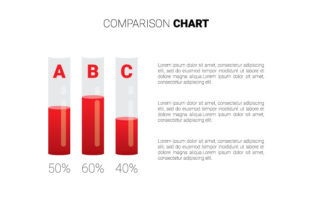
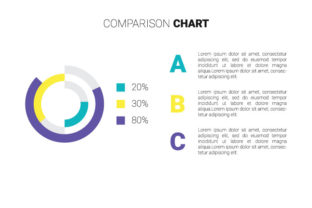
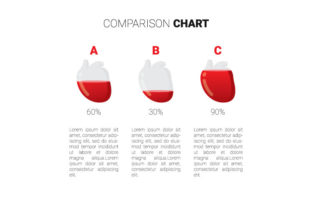
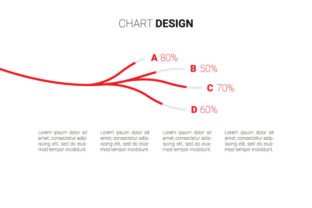
The Innovate Solutions for Business infographic element is a prime example of how flat design principles can be used to deliver impactful, professional visuals. Designed using AI and JPEG formats, this resource offers businesses a ready-to-use template that can be easily customized for various purposes.
Whether you're launching a new product, explaining a process, or sharing performance metrics, the flat design concept behind this infographic element ensures that your visuals remain modern, scalable, and adaptable to different platforms and audiences.
Practical Uses of the Innovate Solutions Infographic Element
This infographic element isn't just a visual asset – it's a versatile tool for communication. Here are some of the ways businesses can use it:
- Presentations: Use the flat design elements to create engaging slides that highlight key business strategies or data points.
- Social Media: Repurpose the infographic into shareable content for platforms like LinkedIn, Twitter, and Instagram to boost engagement.
- Reports and Whitepapers: Incorporate the visuals into PDFs and digital reports to make data more digestible for readers.
- Training Materials: Simplify complex procedures or workflows with visual aids based on the infographic design.
- Website Graphics: Use the JPEG version for banners, explainer sections, or interactive web elements that load quickly and look professional.
Flat Design and SEO: How Visuals Improve Search Visibility
Search engines like Google prioritize content that is informative, user-friendly, and well-structured. While text is essential for SEO, incorporating high-quality visuals like flat design infographics can significantly enhance your website's performance.
Here’s how:
- Increased Engagement: Well-designed visuals keep users on the page longer, which signals to search engines that your content is valuable.
- Better Information Hierarchy: Infographics help organize content in a way that’s easy to scan, improving the user experience and reducing bounce rates.
- Image SEO Opportunities: By optimizing image file names and alt text (e.g., “innovate-solutions-infographic-element.jpg”), you can rank in Google Images and drive additional traffic.
- Shareability: Infographics are more likely to be shared on social media and linked to from other websites, which boosts your site’s authority and visibility.
For businesses using the Innovate Solutions for Business infographic element, these SEO benefits can translate into increased brand awareness, lead generation, and customer trust.
Best Practices for Using Flat Design Infographics
To get the most out of your flat design visuals, consider the following best practices:
- Use Consistent Branding: Align colors, fonts, and icons with your brand guidelines to maintain a cohesive look.
- Keep It Simple: Avoid overloading your design with too many elements. Focus on clarity and readability.
- Optimize for Mobile: Ensure your visuals scale well on different screen sizes and resolutions.
- Add Context: Always pair your infographic with a short explanation or call to action to guide the viewer.
- Update Regularly: Refresh your visuals periodically to reflect new data, trends, or branding changes.
Flat Design in Education, Technology, and Beyond
While flat design is a powerful tool in business, its applications extend far beyond the corporate world. In education, for example, flat design infographics help students grasp complex subjects by presenting information in a structured, visual format.
In the tech industry, flat design is used in app interfaces, dashboards, and user manuals to improve usability and reduce cognitive load. Even in healthcare, legal, and finance sectors, professionals rely on flat design visuals to explain intricate processes and policies to non-experts.
This versatility makes flat design not just a trend, but a foundational element of modern communication – one that continues to evolve alongside advancements in technology and user expectations.
Common Misconceptions About Flat Design
Despite its popularity, flat design is sometimes misunderstood. Here are a few common myths and the truths behind them:
- Myth: Flat design is boring or uncreative.
Truth: Flat design encourages creativity through constraint – focusing on form, function, and purpose rather than decorative elements. - Myth: Flat design lacks depth and dimension.
Truth: While flat design avoids shadows and textures, it uses color, spacing, and typography to create visual depth and hierarchy. - Myth: Flat design is only for digital use.
Truth: Flat design principles can be applied to print materials, signage, and even physical products for a modern, cohesive aesthetic.
Conclusion: Embracing Flat Design for Smarter Communication
In today’s information-rich world, the ability to communicate clearly and effectively is more important than ever. The Innovate Solutions for Business infographic element, built on the principles of flat design, offers a powerful way to convey complex ideas in a visually appealing and accessible format.
Whether you're a startup looking to present your business model or a large corporation aiming to simplify internal reports, flat design can help you achieve your goals. By focusing on simplicity, clarity, and purpose, you not only enhance your message – you also build stronger connections with your audience.
So, if you're ready to elevate your visual communication and make your data more engaging, consider adopting flat design tools like the Innovate Solutions for Business infographic element. With its clean aesthetic and versatile format, it’s a smart choice for any business looking to innovate and communicate more effectively in the digital age.