The Evolution of Digital Communication in a Hyperconnected World
How Smartphones Have Transformed the Way We Communicate
In today's fast-paced society, digital communication has become the cornerstone of how individuals and professionals interact. The smartphone, once a simple tool for making calls, now serves as a multifunctional hub for sending messages, sharing media, participating in video conferences, and managing business operations. This evolution has redefined the meaning of connectivity, enabling people to stay in touch regardless of geographical boundaries.
Businessmen, in particular, have embraced this shift with enthusiasm. The traditional office setup is no longer a necessity for effective collaboration. A business executive can now negotiate deals, review documents, and coordinate with international teams—all from the screen of a smartphone. Whether it's a quick text message, a voice note, or a shared PDF, digital communication allows for seamless interaction in real time.
Key Features of Modern Digital Communication
- Instant Messaging: Enables real-time text conversations with individuals or groups, often with the ability to share files, images, and videos.
- Video Conferencing: Allows for face-to-face meetings without the need for physical presence, using platforms like Zoom, Microsoft Teams, or Google Meet via smartphone apps.
- Email Integration: Most smartphones now support multiple email accounts, allowing professionals to manage correspondence on the go.
- Cloud Access: With apps like Dropbox, Google Drive, and iCloud, users can access, edit, and share documents from anywhere, at any time.
These features are not limited to professionals alone. Consumers use digital communication to stay in touch with loved ones, educators use it to engage students remotely, and creators rely on it to collaborate on multimedia projects. The flexibility and accessibility of smartphones make them indispensable in almost every sector of modern life.
Real-World Applications of Digital Communication
Digital communication has permeated every aspect of daily life, from personal interactions to global business strategies. Here are some of the most common and impactful use cases across different domains:
- Remote Work: Companies have adopted digital communication tools to support remote and hybrid work models. Employees can participate in meetings, share progress reports, and provide feedback using their smartphones.
- Educational Outreach: Teachers and students connect through messaging apps, video calls, and learning management systems, making education more accessible and inclusive.
- Marketing and Customer Engagement: Businesses use digital communication platforms to interact with customers, run targeted ad campaigns, and manage social media presence.
- Healthcare Communication: Doctors and patients communicate via secure messaging apps, telemedicine platforms, and wearable device integrations to monitor health and provide consultations remotely.
Each of these applications demonstrates how deeply embedded digital communication has become in the fabric of modern life. It's not just about convenience—it's about creating a more responsive, efficient, and connected world.
Advantages of Digital Communication Through Smartphones
The widespread adoption of smartphones as communication tools has brought numerous benefits. Here are some of the most significant advantages that have emerged:
- Speed and Efficiency: Messages and data can be transmitted instantly, allowing for faster decision-making and collaboration.
- Cost-Effectiveness: Compared to traditional methods like postal mail or landline calls, digital communication is significantly cheaper, especially for long-distance and international interactions.
- Flexibility: Users can communicate anytime and anywhere, without being tied to a specific location or device.
- Enhanced Collaboration: Teams can work together in real time, regardless of physical location, by sharing documents, annotations, and feedback instantly.
These benefits are not just theoretical—they are actively shaping how we work, learn, and connect in the 21st century. As technology continues to evolve, so too will the ways we use smartphones to communicate.
Considerations and Challenges in Digital Communication
Despite its many benefits, digital communication also presents several challenges that users must navigate. These include:
- Privacy and Security: The exchange of sensitive information over digital channels can expose users to hacking, phishing, and data breaches.
- Information Overload: Constant notifications and messages can lead to fatigue and reduced productivity if not managed effectively.
- Dependence on Technology: Over-reliance on smartphones and internet connectivity can create vulnerabilities in case of outages or technical failures.
- Communication Misinterpretation: Without face-to-face interaction, tone and intent can be easily misunderstood, leading to conflicts or miscommunication.
Addressing these challenges requires a combination of user awareness, robust cybersecurity practices, and thoughtful use of communication tools. Organizations and individuals alike must take proactive steps to ensure that digital communication remains a secure and effective medium.
Looking Ahead: The Future of Digital Communication
As we move further into the digital age, the ways we communicate will continue to evolve. Emerging technologies such as artificial intelligence, augmented reality, and 5G networks are already influencing how we interact through smartphones. AI-powered chatbots, for example, are streamlining customer service, while AR is enabling more immersive and engaging communication experiences.
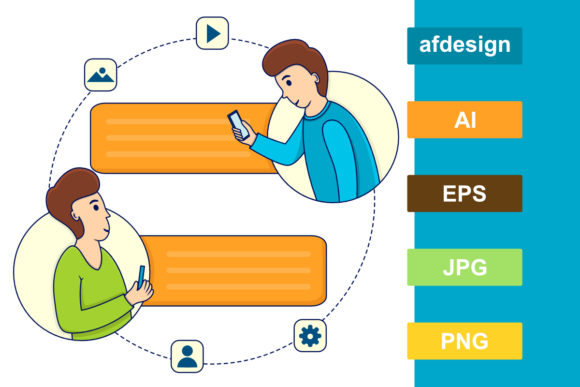
Moreover, as smartphone capabilities expand, so too will the complexity and richness of the content we share. High-resolution video, interactive documents, and real-time collaborative tools will become even more integral to how we work and connect. The concept of a businessman chatting on a handphone, sending various media using the internet network, will soon seem almost quaint compared to the advanced communication ecosystems of the future.
In conclusion, digital communication is not just a trend—it's a transformation. It's reshaping industries, redefining relationships, and revolutionizing how we interact in both personal and professional contexts. Understanding its dynamics and potential is essential for anyone looking to thrive in today's hyperconnected world.