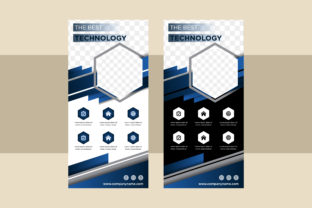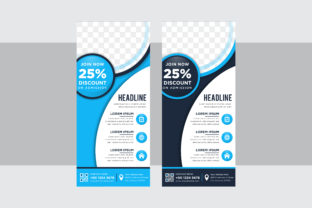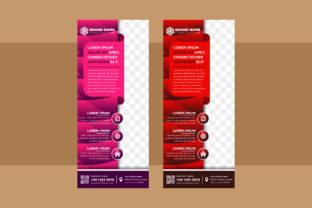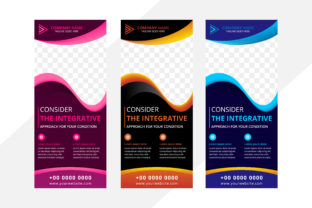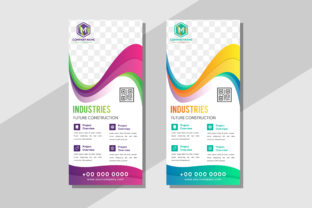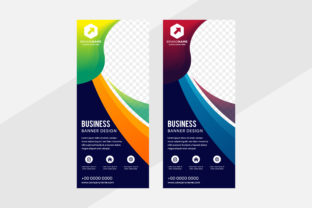
Colorful Vertical Banner: A Dynamic Design Solution for Modern Visual Communication
In today's visually-driven market, the way businesses present themselves can make a significant difference in how they are perceived by audiences. The Colorful Vertical Banner has emerged as a versatile and impactful design tool, especially for those seeking to stand out in presentations, marketing materials, and digital platforms. Unlike traditional horizontal formats, the vertical orientation aligns with modern screen preferences and mobile usability, making it a go-to choice for designers and marketers alike.
At its core, a Colorful Vertical Banner is a design template that leverages vibrant color schemes, geometric patterns, and clean layouts to convey brand messaging in a visually engaging manner. It is commonly used for business brochures, flyers, infographics, web banners, and trade show displays. The design is rooted in vector graphics, allowing for scalability without loss of quality—an essential feature for both print and digital applications.
What Sets the Colorful Vertical Banner Apart?
While many design formats exist, the Colorful Vertical Banner distinguishes itself through its combination of aesthetics and practicality. Its vertical structure is especially suited for mobile viewing, social media stories, and website side banners—formats that have become increasingly dominant in digital marketing. The use of abstract geometric backgrounds and modern layouts adds a contemporary edge, while the inclusion of blank spaces ensures readability and adaptability across different content types.
Compared to standard horizontal banners, vertical banners offer a more natural fit for mobile devices and vertical scrolling interfaces. This makes them ideal for use in mobile apps, landing pages, and digital signage where space is limited but visual impact is crucial. Additionally, the integration of vector elements allows for easy customization, enabling users to tailor the design to their brand colors, logos, and messaging without compromising quality.
Comparing the Colorful Vertical Banner to Other Design Formats
When evaluating design templates for promotional or informational use, several options come into play. These include horizontal banners, static image templates, HTML5 banners, and animated video banners. Each has its own strengths and limitations, and the right choice depends on the intended use case, target audience, and platform requirements.
- Horizontal banners are widely used in desktop web design and print media. However, they often fall short in mobile environments where screen width is limited. The Colorful Vertical Banner offers a more natural fit for mobile-first strategies.
- Static image templates provide simplicity but lack the flexibility and scalability of vector-based designs. The Colorful Vertical Banner allows for easy resizing and editing, making it suitable for both print and digital formats.
- HTML5 banners offer interactive features but require coding knowledge and are not always compatible across all platforms. The Colorful Vertical Banner strikes a balance between interactivity and accessibility, especially when used with design software like Adobe Illustrator or Canva.
- Animated video banners are highly engaging but can be resource-intensive and may not be suitable for all content types. For static or semi-static content, the Colorful Vertical Banner provides a more cost-effective and streamlined solution.
Strengths and Limitations of the Colorful Vertical Banner
Like any design format, the Colorful Vertical Banner comes with its own set of advantages and drawbacks. Understanding these can help professionals make informed decisions based on their specific needs.
Key Strengths:
- Mobile Optimization: Designed for vertical orientation, it aligns perfectly with smartphone and tablet screens, enhancing user engagement.
- Visual Appeal: Incorporates vibrant colors, geometric patterns, and abstract backgrounds to create a modern, eye-catching look.
- Versatility: Suitable for a wide range of applications including infographics, presentation covers, marketing materials, and exhibition displays.
- Scalability: Built using vector graphics, ensuring high-quality output regardless of size adjustments.
- Customization: Offers flexibility in design elements, allowing brands to maintain visual consistency across different platforms.
Potential Limitations:
- Platform Restrictions: Some platforms may not support vertical banners as seamlessly as horizontal ones, especially in legacy systems or traditional advertising networks.
- Content Density: Vertical space can be limited, making it challenging to include large amounts of text without compromising readability.
- Learning Curve: While user-friendly templates exist, more complex customizations may require design knowledge or the use of specialized software.
When to Choose a Colorful Vertical Banner
The Colorful Vertical Banner is particularly well-suited for situations where visual impact and mobile compatibility are key. It's an excellent choice for:
- Social media marketing: Ideal for Instagram Stories, Facebook ads, and LinkedIn posts where vertical formats dominate.
- Trade show displays: Offers a clean, professional look for banners, stands, and presentation covers at exhibitions and events.
- Digital publications: Perfect for magazine covers, report summaries, and infographic layouts that need to be visually engaging yet informative.
- Website banners: Enhances web pages with vibrant, scalable graphics that adapt well to different screen sizes.
However, if your project requires extensive interactivity, animation, or compatibility with platforms that favor horizontal formats, alternative design solutions may be more appropriate. In such cases, HTML5 banners, animated GIFs, or responsive web templates could offer better performance.
Real-World Applications and Practical Comparisons
Let’s consider a few real-world examples to illustrate how the Colorful Vertical Banner performs in different contexts:
- Case Study 1 – Marketing Campaign: A startup promoting a new app used a Colorful Vertical Banner for its Instagram and Google Display ads. The vibrant colors and geometric design caught attention quickly, resulting in a 20% increase in click-through rates compared to previous campaigns using standard image templates.
- Case Study 2 – Conference Presentation: A business analyst used the banner as a cover for a quarterly performance report. The modern design complemented the data-driven content, enhancing the overall professionalism of the presentation.
- Case Study 3 – Trade Show Booth: A tech company used the banner as part of its booth design at a major industry event. The vertical format allowed for a clean, uncluttered display that highlighted key product features without overwhelming the audience.
In each of these cases, the Colorful Vertical Banner provided a balance of aesthetics and functionality that traditional formats struggled to match.
Making the Right Design Choice
Ultimately, the decision to use a Colorful Vertical Banner should be based on your specific goals, audience, and platform requirements. If you're targeting a mobile audience, aiming for a modern aesthetic, and need a scalable, editable design, this format is a strong contender. However, if your project demands high interactivity, complex animations, or strict format compatibility, exploring alternative design tools may be more effective.
As with any design decision, it's important to consider the broader context—your brand identity, content strategy, and technical constraints. By weighing these factors carefully, you can ensure that your visual communication not only looks great but also serves its intended purpose effectively.